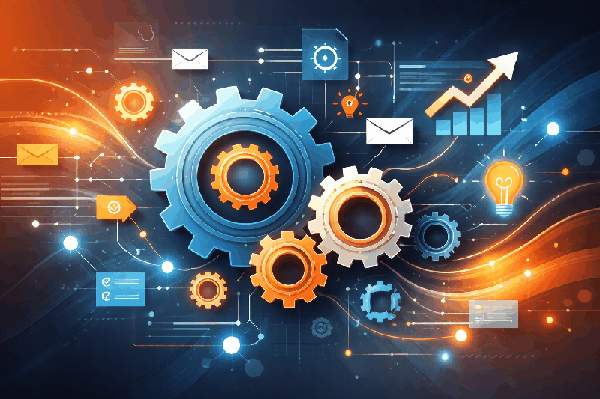
Automation is no longer a futuristic vision reserved for tech giants. Intelligent software and AI‑powered systems are now affordable and accessible to small and medium‑sized businesses. According to industry research, organisations that adopt AI and automation report productivity gains of up to 40 percent, and 83 percent of executives rank artificial intelligence as a top strategic priority. In other words, most business leaders know that streamlined processes are key to staying competitive.
Adopting automation is about more than just replacing human effort with machines. When implemented thoughtfully, automation removes repetitive, low‑value tasks from your team’s workload so they can focus on creative, high‑impact work. This shift doesn’t just save time; it transforms your business. In fact, 82 percent of executives expect AI to disrupt their industry within five years. By embracing automation now, you’re positioning your company ahead of the curve.
Why Automation Matters for SMEs
Small businesses often run on slim margins and lean teams. Every hour you save or process you optimise translates into real profit. Here’s why automation belongs in your toolkit:
- Time savings: Automated workflows handle tasks like invoicing, data entry and scheduling with no human intervention. That means fewer bottlenecks and faster turnaround times.
- Consistency and accuracy: Algorithms don’t get tired or distracted. Once set up, they perform the same task the same way every time, reducing errors and ensuring compliance.
- Scalability: Automated systems scale effortlessly as your business grows, without needing to hire additional staff for repetitive work.
- Happier customers and employees: With mundane tasks taken care of, your team can devote their energy to creative projects and personal interactions that delight customers.
- Data‑driven decisions: Many automation tools integrate analytics, giving you real‑time insights into operations so you can make informed decisions faster.
Key Areas to Automate
Automation isn’t one‑size‑fits‑all. The right strategy depends on your industry, systems and goals. Below are some of the most impactful areas where automation can deliver immediate results:
- Financial admin: Automate invoice generation, payment reminders, expense categorisation and payroll processing to reduce human error and shorten billing cycles.
- Customer service: Chatbots and virtual assistants provide 24/7 support, triaging enquiries and answering FAQs so your team can focus on more complex issues.
- Marketing & sales: AI‑powered tools segment customers, personalise messaging, schedule social media posts and nurture leads via email sequences without manual effort.
- Inventory & supply chain: Machine‑learning algorithms forecast demand, optimise reorder points and even predict equipment failure so you can minimise downtime.
- Scheduling & HR: Staff scheduling tools balance availability and demand (Hilton Hotels used such a system to improve employee satisfaction and guest experiences), while digital onboarding automates paperwork and training.
Real‑World Success Stories
Practical examples show how automation delivers value across sectors. In hospitality and retail, Hilton Hotels optimised staff scheduling through AI, boosting service quality and employee happiness. Fashion giant H&M’s AI‑driven chatbot assists online shoppers with product recommendations, improving customer engagement and sales. In the finance and logistics arena, Unilever’s AI platform improved demand‑forecast accuracy from 67 percent to 92 percent, eliminating €300 million of excess inventory. Microsoft’s use of AI reduced a four‑day fulfilment planning process to just 30 minutes. These stories illustrate that automation isn’t about replacing people; it’s about augmenting human capabilities to achieve results that would be impossible manually.
Overcoming Barriers to Adoption
Despite the clear benefits, some SMEs hesitate to automate due to perceived costs or complexity. The good news is that the landscape has changed dramatically. Cloud‑based automation platforms offer powerful functionality at monthly subscription rates, eliminating the need for heavy upfront investment. Off‑the‑shelf tools integrate with popular accounting, CRM and ecommerce systems, meaning you don’t need a team of developers to get started. The key is to begin small: choose one high‑impact process, automate it, measure the results and then expand.
There are also soft barriers – fear of change, staff resistance or uncertainty about the technology. Overcoming these obstacles starts with education and clear communication. Involve your team early, explain how automation will support them rather than replace them, and provide training to ensure everyone is comfortable with new systems. Start with simple tasks and gradually layer more sophisticated automation as confidence grows.
How Code‑Flux Can Help
At Code‑Flux, I specialise in building automation and AI‑powered systems tailored to small and medium‑sized enterprises. I combine technical expertise with a deep understanding of business workflows to identify the processes where automation will deliver the greatest return. Whether you need an automated booking system, smart marketing sequences or a fully integrated back‑office platform, I design solutions that integrate seamlessly with your existing tools.
My approach is iterative and transparent. I start with an audit to assess your current operations and highlight quick wins. Then I collaborate with you to plan, build and deploy automated workflows that save time, reduce costs and elevate the customer experience. My goal isn’t just to implement technology; it’s to empower your team to focus on what they do best while your systems handle the rest.